Mayan Gods & The Universe
photos and article courtesy of: Maya Foundation In Laakeech and Hacienda Chichen Resort, Chichen Itza, Yucatan, Mexico
Yucatan Adventure
▫ Home
▫ Hotel Offers▫ Travel News
▫ Places to Shop
▫ Safe Travel Tips
▫ Things To Do
▫ Contact Us▫ About Us
Sponsored Site
Reserve your stay at the finest
Hotels & Green Hacienda
in Yucatan, Mexico▫ Join our MFIL team
▫ MFIL Volunteering
▫ Xcalacoop Nutrition Center▫ Mayan Children Education Center
▫ Mayan Foundation
In Láakeech A.C.
Sponsored Site:
Hacienda Chichen Resort
Yucatan's Best Green Hotel
In this page:
* Mayan Mythology, Bacabs &
Mayan Cosmovison
* Mayan Gods & Deities
Other Articles:
▫ Maya Spa
▫ Maya People
▫ Mayan Rituals
▫ Mayan Cooking
▫ Mayan Calendar
▫ Maya Civilization
▫ Colonial Traditions
▫ Mayan Art Masters
▫ Maya Gods & DeitiesYucatan Flora
Yucatan Fauna
▫ Yodzonot Cenote
▫ Eco-Cultural Tourism
▫ Destination Weddings
▫ Xcalacoop Nutrition Center▫ Mayan Children Education Center

Participate in our
Yucatan Adventure's Blog
Contact us now to request
articles you would like
to read in our website
Sponsored Site:
Mayan Vacation Portal
Offering travelers great fun ecologic
& cultural activities to experience
Mayan traditions and wisdom.
Sponsored Site:
Hacienda Chichen Resort
Yucatan's Best Green Hotel
Archaeologists
▫ Jean Charlot
▫ Edward Thompson
▫ Tatiana Proskouriakoff
▫ Merle Greene Robertson
Yucatan Adventure proudly
supports the social vision of
THE MAYA FOUNDATION
IN LÁAKEECHFor more information on
how to join our Volunteer Team
and/or support us, please
contact us via email
or pledge your help !
Sponsored Site:
National Geographic Travel
lists us within its 10 Top Wellness Destinations in North America.
Read it here !
Sponsored Site:
Reserve your stay at the finest Hotels & Green Hacienda
in Yucatan, Mexico.In this page:
* Mayan Mythology, Bacabs
Mayan Cosmovison
* Mayan Gods & DeitiesYucatan Adventure:
▫ Home
▫ Vacation Offers
▫ Things To Do
▫ Contact Us
▫ Links
Sponsored Site:
PROTECTING
THE MAYA JUNGLE
FAUNA & FLORA
Your one time charitable gift can provide
a safe habitat for so many living friends;
help the Maya Jungle Conservation
▫ Eco-Cultural Tourism
▫ Weddings Destinations
▫ Xcalacoop Nutrition Center▫ About Us
BRIEF INTRODUCTION: The Maya understanding and observation of Mother Nature, Earth's cycles, the Cosmos, life and death, play an important role in their Spiritual and Religious beliefs. Even today, J-Men and Ix-Men, or Mayan Senior Healers or Priests, have a deep holistic connection with a dualistic life existence, which is beautifully expressed in Maya Mythology, the Mayan Spiritual Realm, Healing Arts, and their ancestral Cosmovision or understanding of the Universe. If you wish to participate in a Mayan Sacred Ceremony, plan a trip to Chichen Itza, Yucatan, Mexico and stay at Hacienda Chichen where J-Men Mayan Senior Priests celebrate through out the Tolzkin Calendar year many sacred ceremonies and traditional rituals.
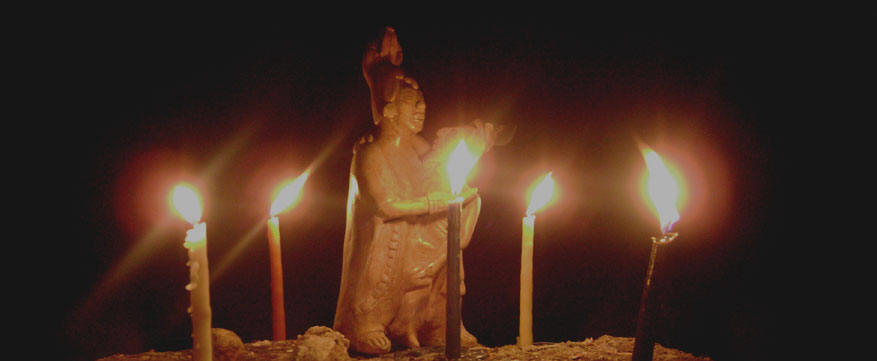
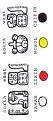
The Maya civilization history flows in cycles of rise and fall periods, of continuity and change; guided by a holistic religion that still remains the foundation of their cultural traditions. The Maya vision of the universe is divided into multiple levels, above and below a flat Earth held by four Bacabs, (cardinal directions). The Sacred Tree of Life or Ceiba is at the center of a complex communion of Celestial Gods and Underworld Deities living in Kibalba as represented in the Maya Foundation In Laakeech Cosmo-vision logo (above photo)..
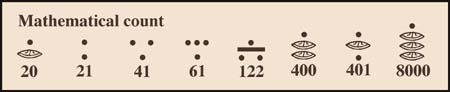
DID YOU KNOW: The ancient Maya civilization is the highest cultural legacy of Mesoamerica. The Maya are believed to originate in the Yucatán around 2600 B.C. They developed the mathematical position of zero, along with a high understanding of astronomy, impressive intertwined Mayan calendar systems, majestic architectural achievements, and a complex hieroglyphic writing combining phonetic suffixes, prefixes and detailed artistic symbols within its format. Your may read more about ancient Maya Civilization here.
Back to Top
As explained above, the Maya Cosmovision, an understanding of the universe, is divided into multiple levels which are dualistic in its core nature: above and below a flat Earth held by four Bacabs, (cardinal directions of north, south, east and west). The Sacred Tree of Life or Ceiba, the path which connects with all the Spiritual Realms, growns at the center of a complex unity of Celestial Gods, above the Earth's plane (symbolized by an alligator); and the bellow the Earth's plane realm of existence: the Underworld, Kibalba, where nine dark deities reside.
MAYAN MYTHOLOGY, BACABS, AND COSMO-VISION
Mayan mythology is complex and has a truly rich context, placing corn as the creative nature of the Homo sapiens or humankind as we know it today. Mayan gods are characterized by the use of dual energies such as malevolence / benevolence; their associations changed according to the days in the Mayan calendar and the celestial bodies such as stars, planets and the cosmic positions of the Sun, Moon, and Venus as well as natural elements had their own representative god. Mayan deities are associated with numbers, crops, days of the Mayan calendar and periods of time.
Mayan Gods, deities and supernatural beings often display unique aspects of nature based often in correlation to the four Bacabs or Cardinal points and/or with the central earth position represented by the Ceiba tree. The Ceiba tree still holds the center position of all sacred Mayan rituals and spiritual ceremonies. This sacred Ceiba Tree is placed as a symbol of sacred life force, an energy vortex or interconnection between the Thirteen Heavens (inhabited by Gods and mythological deities dwell), our earth plane (where man, flora and fauna reside), and the Nine Underworlds (where death and night with the corresponding deities dwell).
The Maya understanding of the Cosmos attributes included Earth’s four primary compass directions or Cardinal points; the Maya associated each direction with a color and a particular Bacab or Bakab (the Mayan mythological sky-bearers and offspring of Itzamnaaj and Chak Chel). Each Bacab has a unique correlation with nature showcasing a shell, web, bee, and turtle; Jumnaju’ (creator Gods) placed each Bacab to guard the four corners of the universe and assigned them a particular color and specific segment within the Maya calendar system.
Please observe the beautiful representation of the Maya Cosmovision in the Maya Foundation In Laakeech A.C. logo (right atop article) showcasing each Bacab as follows:
.
Zac Cimi - bacab guarding the west, his assigned color is black and the Ix years.
.
Hozanek - bacab guarding the south, his assigned color is yellow and the Cauac years.
.
Hobnil - bacab guarding the east, his assigned color is red and the Kan years.
.
Can Tzicnal - bacab guarding the north, his assigned color is white and the Muluc years.
The four Bacabs are intimately associated with the four Chaacs, or rain deities. Illustrating this association we have in the Yucatán, the Maya of Chan Kom who do refer to the four Bacabs as the four sky-bearers or Chaacs.
Mayan Gods, deities and supernatural beings also represented different aspects of the cosmos, they also play an important roll in many aspects of human life and their calendar cycles a number, day, week, month or year within their calendar systems and/or a symbolic cycles observed by the Maya in nature. Like many other deities, the Bacabs or Bakabs were important in divination ceremonies, being approached with questions about propitious times, crops, weather, or the health of bees as much as personal health, wellbeing, marriage, family and community welfare. In today's Mayan rural society, the Bacabs are still venerated and offer many rituals during the year for the protection of crops, milpas and a Mayan family yearly wealth. Read more about Mayan sacred ceremonies and rituals celebrated in Chichen Itza,
The Maya Cosmo-vision representation (feature in the Maya Foundation In Laakeech logo) is one of the major frameworks which interlinked much of ancient Mayan religion and the life cycles of nature, including mankind own life cycle, all highly associated to the cosmology understanding and vision. References to the Bacabs are found in the sacred Mayan book of the Popol Vuh, the Chilam Balam, the remaining four Mayan Codices, and in the book: Relación de las Cosas de Yucatán by 16th Century bishop Diego de Landa. Brief references to Maya mythology can also be found in Wikipedia online; however we have plenty of information for you here in this article, just keep reading, then read our Maya Mythology: Gods & Deities article,
Back to Top
A BRIEF INTRODUCTION TO MAYAN GODS & DEITIES:
Ancient Maya beliefs were view by the Spaniards as polytheist for the Mayan had many gods and deities interacting with humankind. All of these gods and deities have a dualistic nature and qualities, normally associated with day & night, life & death, health & illness, light & dark, etc There are scholars and Mayan mystics that do not accept that ancient Maya were polytheists in nature as much as the Spaniards never understood the intricate complexity of Mayan belief system and Cosmovision, such studious people point to the fact that the Mayan did have a Supreme Lord God that his name was so sacred it was forbidden to even write it or spoke about, such Supreme God as said to be "the whole One God." Today rural Mayans have transferred many of their ancient spiritual connection to a mix of Mayan mythology and Catholic faith as in the case of the Saint Patrons in Mexico.
Various Maya scholars speak of a single Supreme Deity, and a few others say it is the God Itzamná or Itzamnaaj the inventor of writing, and patron of the arts and sciences. Even today, Itzamná is thought to have the power to open the Spirit World Portal to J-Men and Ix-Men, male & female healers.
Ix Chel (right) Itzamná’s wife, is the ancient Goddess of the Moon, weaving, medicine, fertility and childbirth. She is a goddess often depicted pouring water down, symbol of life, from a clay pot; or, seating in the moon holding a rabbit Scripter. Some scholars feel she is the First Mother and assign the role of First Father to Hun Nal Ye, the Maize God and the Plumed or Feathered Serpent. You may wish to read our Maya Mythology: Gods & Deities and the Maya Universe article here after you review our brief list of Mayan Gods:
A BRIEF INTRODUCTION TO A FEW NOTABLE MAYAN GODS & DEITIES:
Ah muzencab - God of Bees and Honey - intimately associated with the four bacabs
Ah Puch - also known as Hun ahua is a God of Death and dwells in the underworld; normally epicted as a human skeleton with an awl head.
Bacab - The Four Guardian Deities (see above article) they related to the Cardinal points, carrying the sky in the center of them is the sacred tree of life "Ceiba". Holly bees are associated with these four deities as well as the armadillo, spider web, snail, and the turtle.
Chaac - God of Rain, it is one god and manifold gods including the God of Thunder (God K) and the four Chaacs in relation to the four Bacabs. In Chichen Itza and Uxmal, Chaac was a highly venerated God.
Chak Chel – Wife of Itzamnaaj, a red rainbow warrior young goddess with jaguar ears and claws; she is thought to be the young version of Ixchel, a weaver and patron of women in the underworld.
Camazotz - Bat god, tries to kill the mythological Mayan Hero Twins (PV). The bat-like god is also a monster deity of the underwold.
Gukumatz - Feathered Snake God and one of the God Creators of humanity (PV) this God is intimately associated in Yucatec Maya as Kukulkan – Messenger of Venus; the Sovereign Feathered Serpent Deity revered in Chichen Itza and Mayapan (believed to be Quetzalcoalt for the Aztecs).
Hun-Hunahpu – also known as Jumnajpu (PV) Hun Nal Ye- Father of the Mayan Hero Twins and of the patrons of artisans and writers in Mayan mythology. He is the Sacred Maize Deity according to the most popular academic theory of today. He is the Mayan ideal of beauty and youth.
Hunahpu - (One of Popol Vuh’s mythological Mayan Hero Twins, . A ballplayer deity characterized as a hunter of birds; he is more important than his twin brother in Mayan calendar iconography.
Huracan - God of Storm (extreme bad weather) Wind and Fire, one of the creator deities (PV); one of the God Creators of humanity always depicted with one snake foot and a long nose. Nowadays our Atlantic weather storms are Hurricanes word that comes from this Maya God’s own name.
Itzamnaaj - The Supreme God Creator (God D) ruled the skies and invented writing; associated with the Sun, this god is depicted with sun goggles. He is also known as the God of Kakaw or Cacao
Ixchel - Aged jaguar goddess of midwifery and medicine, also known as Ix Chel; she is associated with the Moon (L) water, fertility and childbirth. The patron of healers and J-Men and Ix’Men as well as those that work in the sacred healing arts.
Ixtab - Goddess of Honorable Suicide (L). depicted as the “rope woman” for hanging was to the Maya an honorable way to die; she will take the brave soul to paradise, Ixtab is depicted in the Desdren Codex as a symbol of Lunar and Sun Eclipses.
K’awiil (God K) – a God of Lighting; he is characterized by a snake foot often seem on kings’ scepters. The is also the Jaguar God of the underworld.
Moon Goddess – depicted as a woman sitting in the edged of a crescent moon holding a rabbit. In Maya mythology, the moon phases symbolize women’s life cycles. She is associated with water, rainfall, rainy season and deep fresh cenote water (underworld version of the goddess).
Xbalanque - One of the mythological Mayan Hero Twins (PV) a ballplayer deity whose name means Jaguar Son or Hidden Sun.
Xochiquetzal goddess of Xocolatl – a sacred godly beverage prepare only for the upper Maya royalty; its sound comes form the Maya Chocol ha meaning “bitter water” a beverage dedicated to the Maya Goddess of Kakaw and fertility; the Nahualt language adopted the sound to Xocolatl and the Spaniards created the term chocolate when they brought this precious bean to their monarchs.
Zipacna - Underworld Demon Deity with great sexual appetite symbolized by his favorite food: crabs (PV); son of Seven Macaw and brother of the Earthquake God. A very arrogant and powerful deity believed to have created the mountains; he is depicted often as an alligator; he is a mythological figure related to the legend of the Twin Heros in the Popol Vuh.
DID YOU KNOW: The Popol Vuh speaks of the First Mother, Ix Chel, and First Father, Hun Nal Ye, as the Creator Couple whose offspring are all the other gods. She was born six years before the First Father, also known as Junab K’uj the God of Maize, who is responsible creating the cosmos and mankind as we know him/her to be today.
Want to know a few Mayan Legend Stories about Alux & Aluxes (Mayan Fairs) and about the sensual deadly spirit of the Ix' Tabay, just click on the names and read on.
Back to Top
This article is a courtesy of the Maya Foundation In Laakeech,A.C.
our NGO Sustainable Civil Society and the Elder Mayan Wiseman:
KUCH KAAB Y'EETEL J'MEN MAAYA'OB, A.C.
with the kind support of:
www.haciendachichen.com and www.chichenservices.com
We hope you find our Online Volunteer Magazine's articles interesting and full of learning fun. Yucatan Adventure welcomes article, news, travel contributions, and ideas on how to support the Maya Foundation In Laakeech A.C. efforts to help the Mayan Communities nearby Chichen Itza.
View our Special Offers and Vacation Packages
designed for those planning to visit Chichen Itza, Yucatan, Mexico.
HELP US HELP ! SUPPORT OUR NGO MAYA GEO-TOURISM PROJECT
We give thanks to the Geotourism Challenge: Sustaining the Future of Destinations, for featuring our Geo-sustainable tourism mission shared with the Maya Foundation In Laakeech,and the Hacienda Chichen in Yucatan, Mexico. Geo-challenge sponsored by National Geographic and Ashoka's Changemakers.
Participate in our Yucatan Adventure Volunteer's Google Blog
We invite you to contact us requesting articles you would like to read in our website.
Yucatan's Wildlife: Our World, Our Mission
protecting Yucatan's fauna (animals)


.



BULLETIN REPORT: 2012 ARTICLES Check our website's Archives 2007 2008 or 2009 and our Current Articles where you will find many great new ways to "Beat Stress", "Travel Guide News," "Fun Activities in the Maya World", "Health Tips" and our new section for "Great Maya Cooking & Recipes."
If you would like to place a sponsored spot ad with us or request a free link exchange with this website, please contact us via email
Back to Top
Yucatan Adventure
September 2008
Updated April, October 2009
New Updates: February 2010, January 2011, February 2016